
-
WELCOME TO KÄFER TRAVEL & TOURISMOur experience, at your service... -
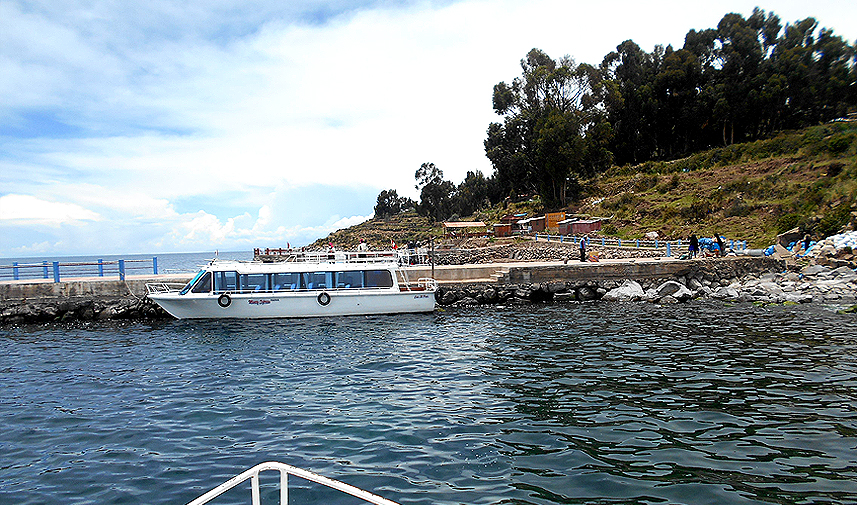
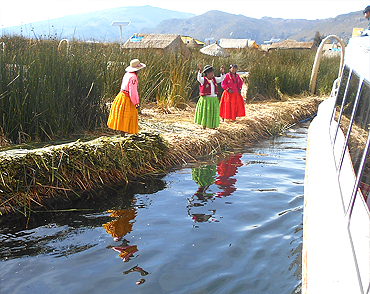
LAKE TITICACA UROS FLOATING ISLANDS -
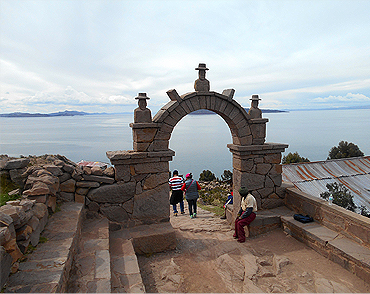
CHUCUITO AYMARA REGION -
-
-
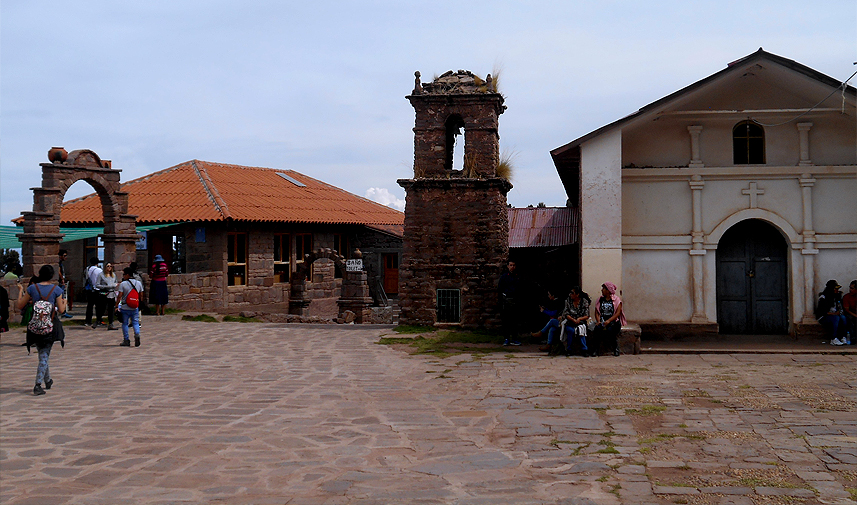
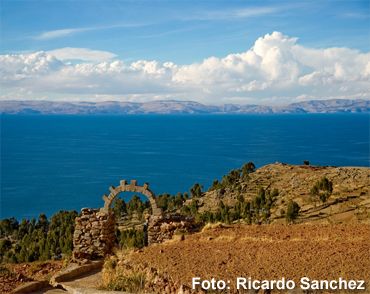
LAKE TITICACA TAQUILE ISLAND -
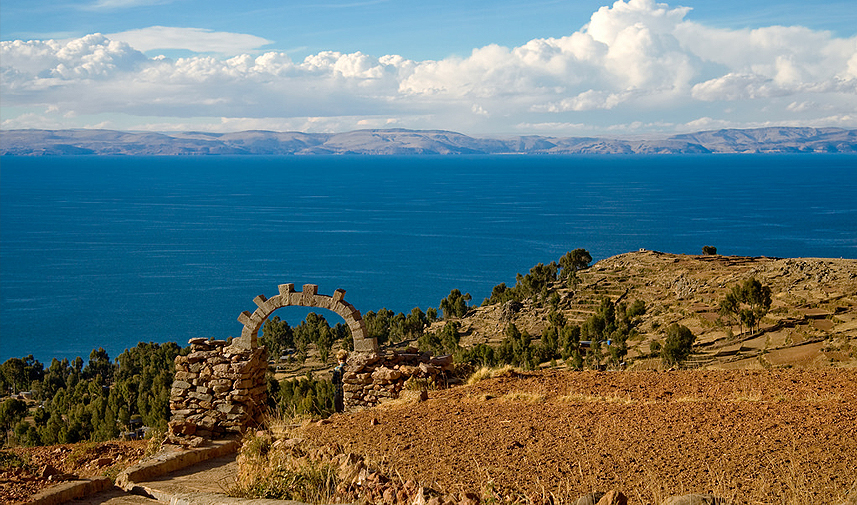
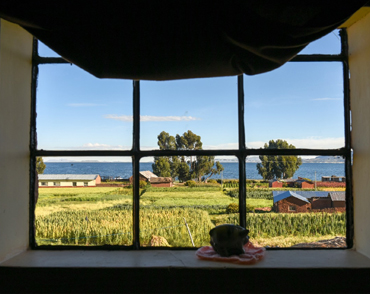
LAKE TITICACA AMANTANI ISLAND -
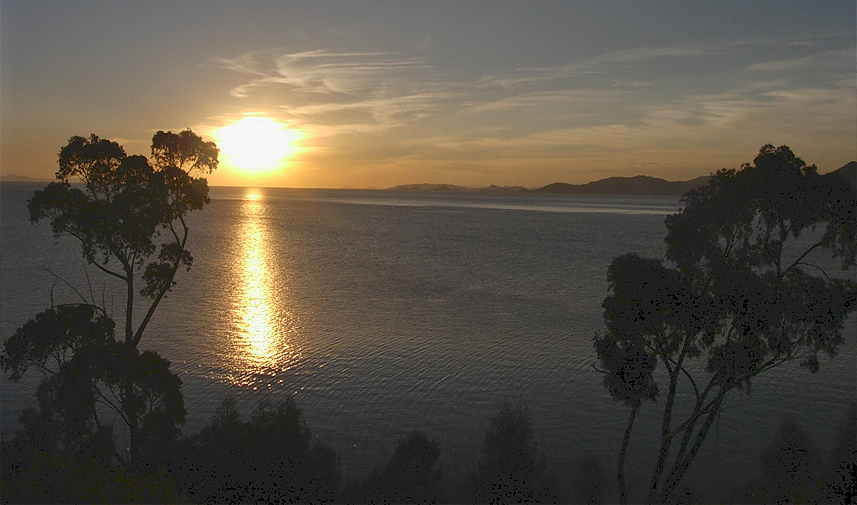
SUNSET ON LAKE TITICACA -
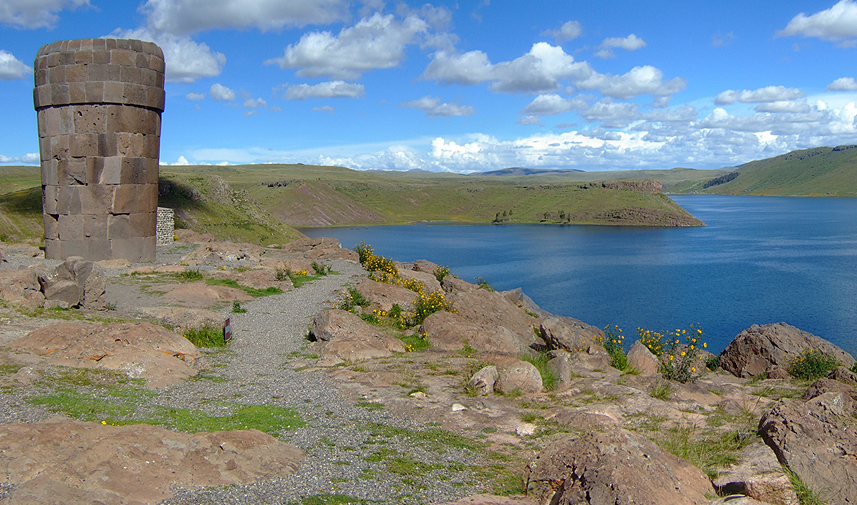
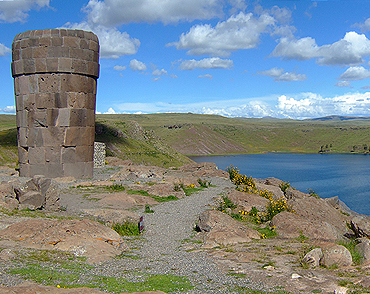
SILLUSTANI CHULLPAS QUECHUA REGION -
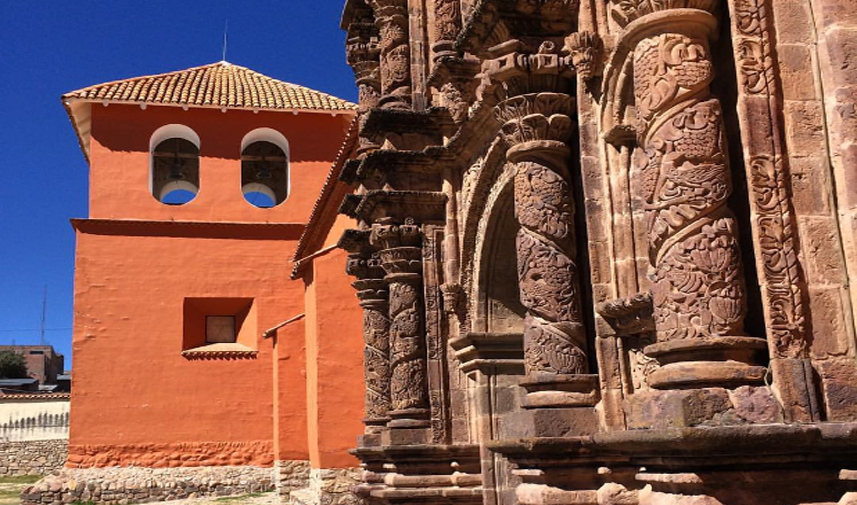
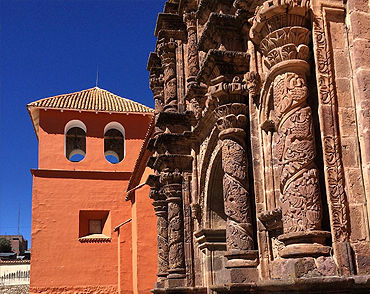
JULI AYMARA REGION
MAIN DESTINATIONS
-
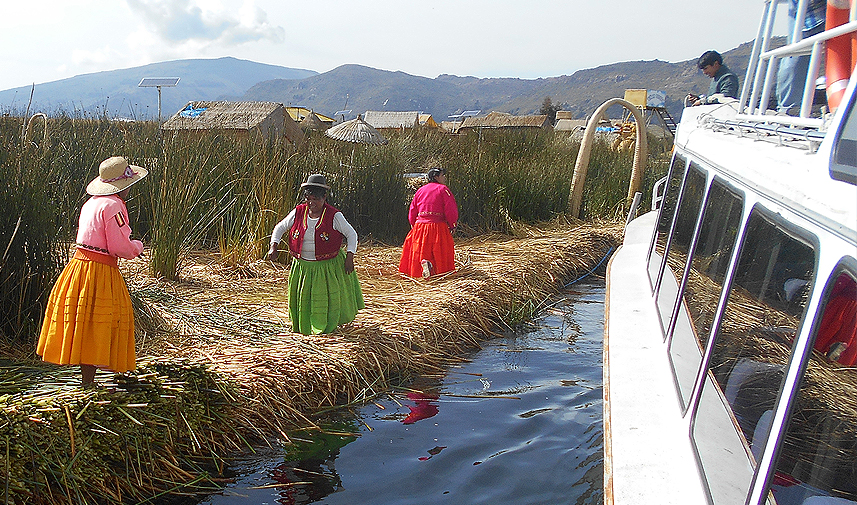
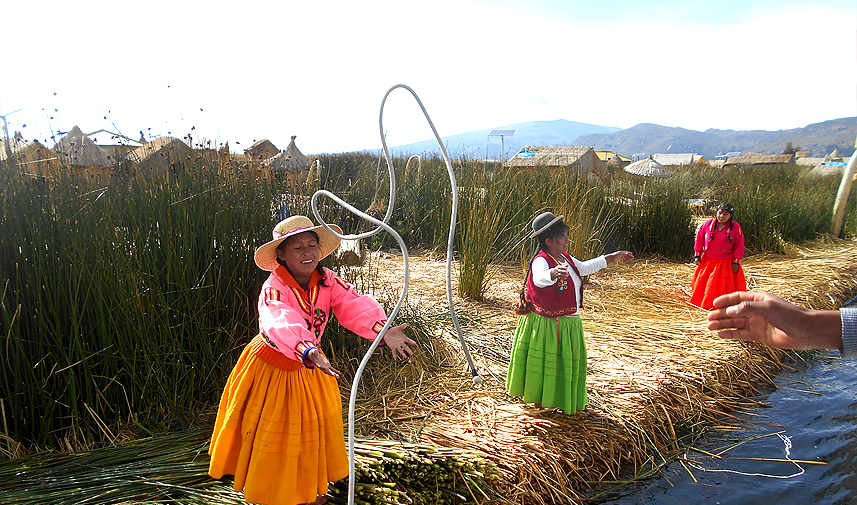
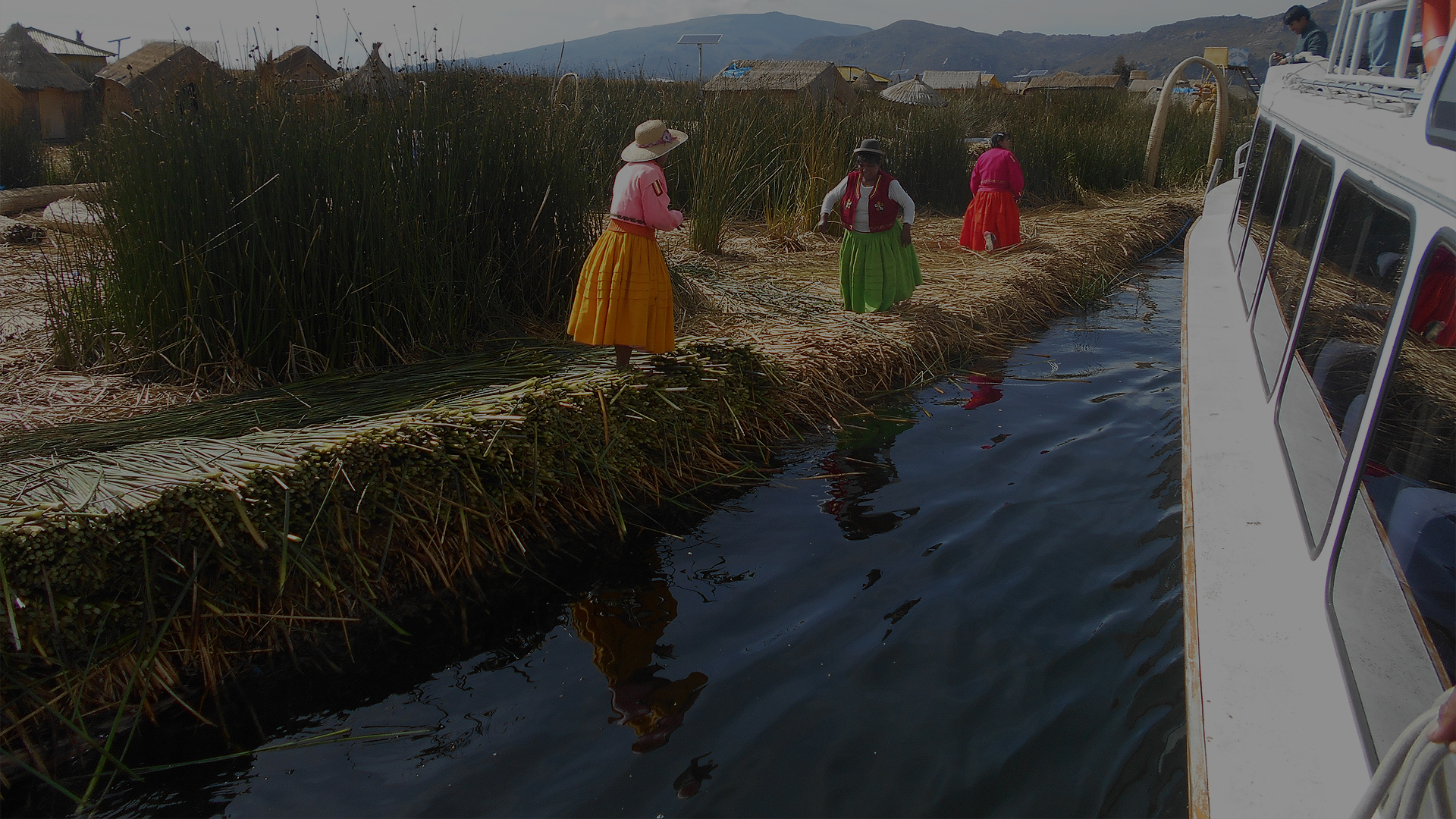
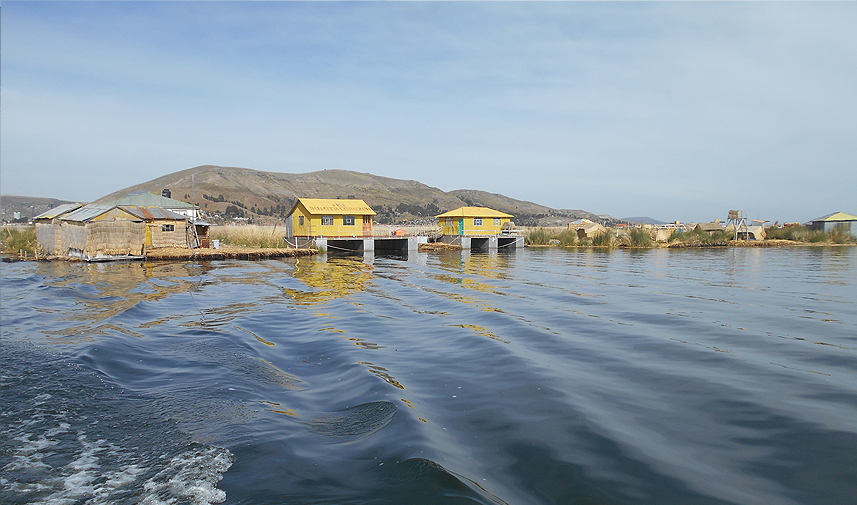
UROS: The Uros live among the totora reeds...>>
-
AMANTANI: Located 40 km from the city of Puno...>>
-
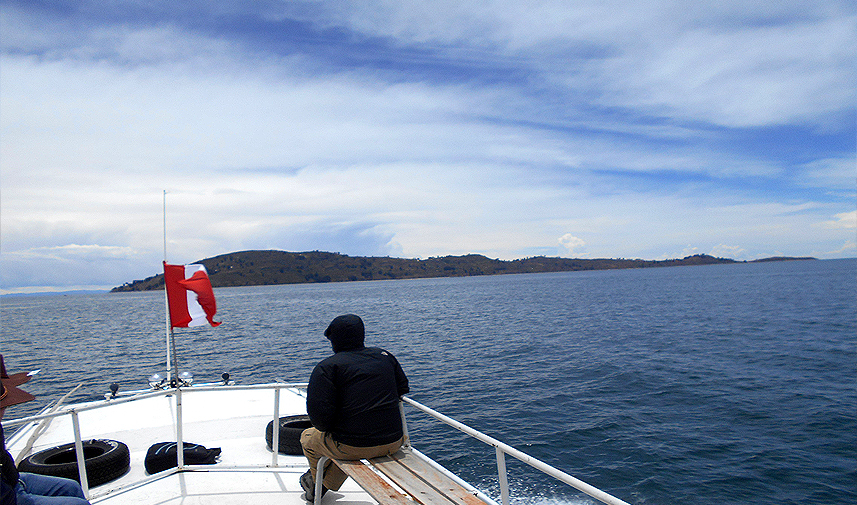
TAQUILE: Located 35 km east of the city of Puno...>>
-
LUQUINA PENINSULA: On the Chucuito Peninsula, on the shores of Lake Titicaca...>>
-
LLACHÓN PENINSULA: Located about 70 km from Puno by lake route...>>
PUNO - GENERAL INFORMATION
The Department of Puno is located in southeastern Peru, between approximately 13°00' and 17°08' south latitude and 71°08' and 68°50' west longitude. Its territory covers about 72,000 km² and includes both the Collao Plateau and areas extending toward the Amazon region. The departmental capital is the city of Puno, on the shores of legendary Lake Titicaca at approximately 3,827 meters above sea level. This region is a meeting point of Quechua and Aymara cultures, whose traditions, rituals and beliefs form an exceptional cultural heritage. Major cities include Puno, Juliaca, Juli, Azángaro, Lampa and Ayaviri.
Language: The official language is Spanish; Quechua and Aymara are also widely spoken. Banks: Puno and Juliaca have branches of Peru’s main national banks. Credit cards: Most commercial establishments, hotels and restaurants accept major international credit cards such as Visa, MasterCard, American Express and Diners Club. Religion: Catholicism is the predominant religion, while freedom of belief and worship is respected. Religious services are held at different times in many churches.
The Altiplano is framed by the Carabaya mountain range to the north and the Western Cordillera to the southwest. Around Lake Titicaca, elevations generally range from about 3,810 to 3,900 meters above sea level. The lake has an important moderating effect on the local climate, supporting agriculture despite the high altitude. The intermediate Altiplano rises from roughly 3,900 to 4,200 meters and has extensive natural grasslands used for livestock. Above 4,200 meters, the high mountain zone is home to wildlife such as vicuñas, tarucas and rheas and is well suited to South American camelids such as llamas and alpacas. The region has a marked dry season, generally from May to October, with cold nights and bright sunny days, while the wetter season usually extends from November to April. Temperatures vary considerably between day and night because of the altitude.

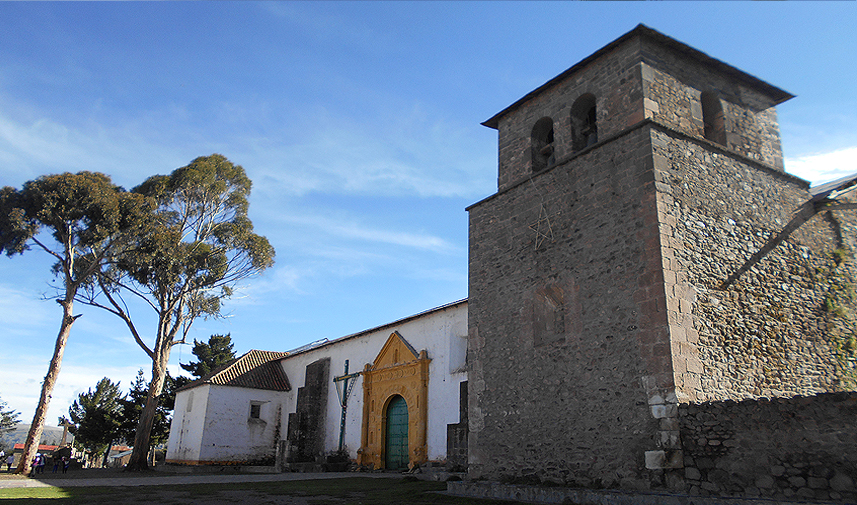
CHUCUITO: 18 km from Puno, on the shores of Lake Titicaca...>>
POMATA: Located 130 km from the city of Puno...>>
JULI: Known as the Little Rome of the Americas, 80 km from Puno...>>
ARAMUMURU: A sacred Andean site between the districts of Ilave and Juli...>>